Jet Star Signs

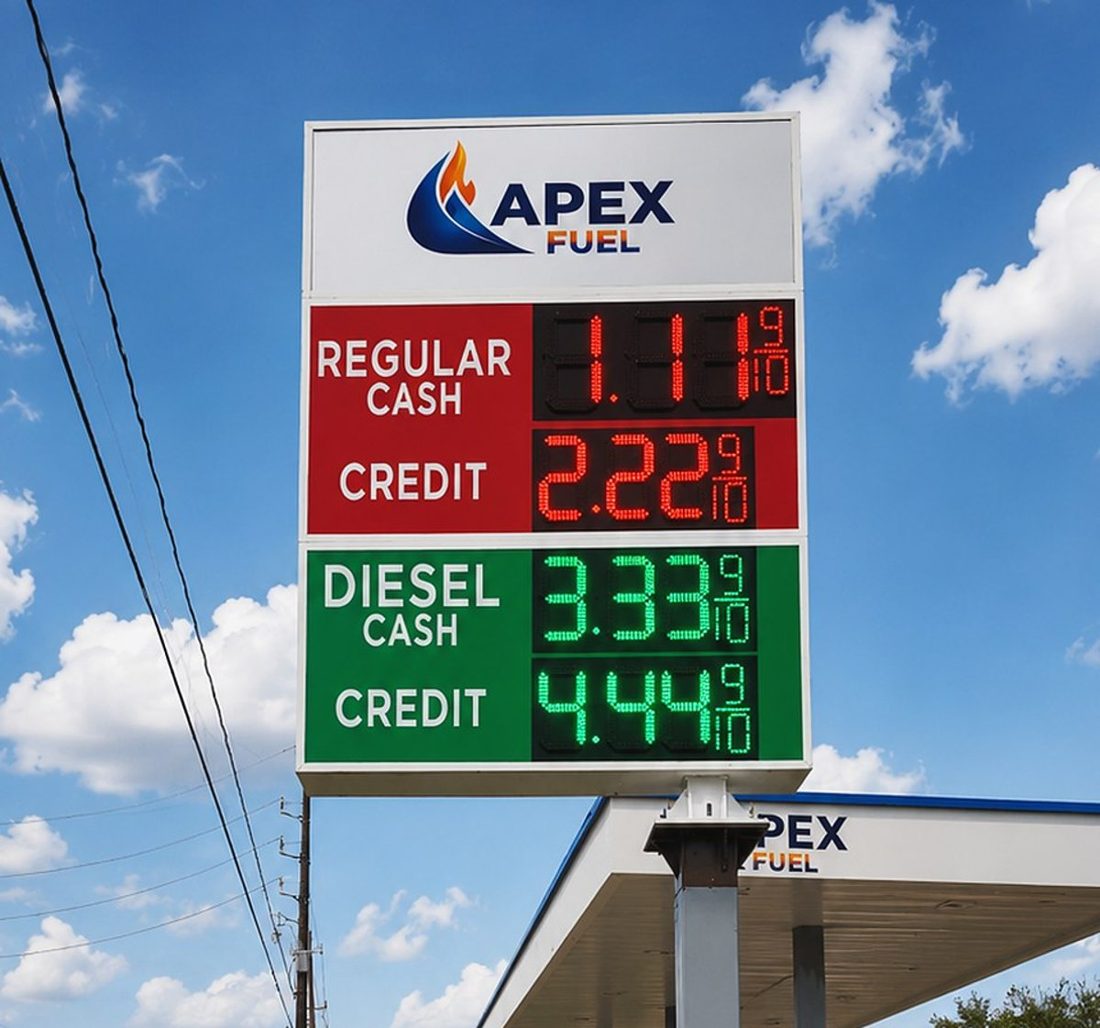
Jet Star Signs LED gas price sign with red and green digit displays on a Houston fuel station

LED Business Signs: Benefits, Costs & ROI

In today’s busy world, getting attention is harder than ever. People are always on the move, scrolling their phones, walking past shops, and making quick decisions. That is why your business sign needs to work harder than ever. It is no longer enough to put your name on a wall; your sign has to be seen, remembered, and trusted.

This is where LED business signs play a role. You can find them everywhere, from local stores to large national brands. They are bright, contemporary, and hard to miss. But are they worth the investment? Here is a simple breakdown of the benefits, the costs, and the return on investment.

What Are LED Business Signs?

LED business signs use light-emitting diodes to light your business name, logo, or message. Compared with older lighting systems, LED lights are energy-saving, long-lasting, and very bright without producing harsh glare.

There are many types of LED signs, including channel letters, cabinet signs, message boards, and digital displays. They work for almost every type of business and can be used both indoors and outdoors.

Why LED Signs Are So Popular Today

Most businesses need signs that stay visible after dark. LED signs do exactly that. They stay prominent at night, in poor weather, and in busy areas with heavy foot traffic where competition for attention is intense.

LED signs also suit the digital era. They look sharp in photographs and videos, which makes a business look more professional on Google, social media, and review sites. A bright, clean LED sign tends to make a business appear more modern and reliable.

Key Benefits of LED Business Signs

LED signs offer a mix of visual impact and practical advantages that traditional signs cannot easily match.

  • High visibility: LED signs are bright and clear, making your business easy to spot day and night.
  • Energy efficiency: LEDs use much less electricity than neon or fluorescent lights.
  • Long lifespan: LED lights can last for years without needing replacement.
  • Low maintenance: Fewer repairs and less upkeep save time and money.
  • Modern look: LED signs give your business a clean, professional appearance.
  • Versatile designs: They work in many sign styles and sizes.

These benefits make LED signage a smart choice for both new businesses and established brands.

How Much Do LED Business Signs Cost?

The price of an LED sign varies with factors such as size, design, type of sign, and installation needs. A small LED sign for a storefront costs less than a large, customized sign for a company building.

LED signs may cost more up front than non-illuminated signs, but they tend to be cheaper in the long run. Their energy efficiency lowers electricity bills, and their long life reduces replacement and maintenance costs. In simple terms, you pay a little more at the beginning and save money over time.

Understanding ROI: Is an LED Sign Worth It?

ROI, or return on investment, compares the value you receive with the money you spend. For LED business signs, the return usually comes from added exposure, more customer traffic, and stronger brand awareness.

A bright sign that is easy to read makes more people notice your business. Greater visibility leads to more walk-ins, phone calls, and online searches, and over time that attention can turn into sales and better brand recognition.

LED signs also work day and night. Your sign advertises your business even when you are closed, and that round-the-clock exposure improves your return without any extra effort.

LED business signs are not a passing trend. They are a sound investment that helps a business stay visible, modern, and competitive. They are bright, energy-saving, and economical over time. The initial cost can be higher, but the long-term benefits can outweigh it. An LED sign will not only make your business shine; it will help your business grow.

trends

Future-Proof Your Brand: Top 5 Smart & Sustainable Signage Trends for 2026

The world of business is changing faster than ever. Consumer expectations are evolving, technology is advancing at a breakneck pace, and a commitment to sustainability is no longer a bonus; it’s a baseline for many customers. In this dynamic landscape, your business signage needs to be more than just a static nameplate; it needs to be a dynamic, intelligent part of your brand strategy.

The question is, how do you ensure your sign doesn’t look like a relic from a bygone era in just a few years? The answer lies in looking forward. By understanding the emerging trends that are shaping the future of signage, you can make informed decisions that future-proof your investment and keep your brand relevant.

Let’s dive into the top five smart and sustainable trends set to define the signage landscape in 2026 and beyond. These aren’t just fleeting fads; they’re fundamental shifts in how businesses communicate with their communities.

1. Smart & Interactive Signage: The Conversation Starter

Forget one-way communication. The future is interactive. Smart signage uses technology to engage customers in a two-way dialogue, transforming a passive viewing experience into an active one.

  • What It Looks Like: Imagine a restaurant sign that allows pedestrians to scroll through the day’s specials with a wave of their hand. Or a retail store window where you can tap to see product availability or even scan a QR code for an instant coupon. These are often powered by touchscreens, motion sensors, or integrated QR technology.
  • Why It’s a Key Trend for 2026: It creates memorable experiences. In a world saturated with ads, interactive elements cut through the noise. They provide immediate value (like a discount or information) and collect valuable data on customer engagement. This trend turns your sign from a billboard into a 24/7 sales and marketing assistant.
  • How to Adapt: You don’t need a full-blown Times Square video wall. Start small with a well-designed QR code on your window or monument sign that leads to a mobile menu, a special offer, or an event calendar.

2. Hyper-Sustainability: Good for Your Brand & the Planet 

Eco-consciousness is a driving force in consumer decisions. Businesses are now being evaluated not just on their products, but on their practices. Sustainable signage is a powerful, visible way to demonstrate your commitment.

  • What It Looks Like: This trend encompasses everything from materials to manufacturing. Think sign fabrication using reclaimed wood, recycled aluminum, or biodegradable substrates. It includes energy-sipping LED illumination and solar-powered sign options. The focus is on a reduced carbon footprint throughout the sign’s entire lifecycle.
  • Why It’s a Key Trend for 2026: It builds brand trust and appeals to a growing demographic of environmentally aware customers. It also aligns with potential local regulations and can lead to long-term cost savings through energy efficiency. Sustainable choices, such as durable materials and repairing rather than replacing signs, are becoming a standard expectation, not an exception.
  • How to Adapt: Partner with a signage company that prioritizes sustainable practices. Opt for long-lasting, energy-efficient LED lighting and choose materials known for their durability and recyclability.

3. Mixed Materials & Textural Depth: A Touch of Authenticity

In reaction to a digitally saturated world, there’s a growing desire for tactile, authentic experiences. This trend is all about creating visual interest and a sense of craftsmanship by combining different materials.

  • What It Looks Like: Combining sleek, modern acrylic with warm, natural wood. Using metal accents against a textured composite background. Or incorporating stone or faux-stone elements into a monument sign to give it a grounded, permanent feel. The goal is to create depth and character that can’t be replicated on a screen.
  • Why It’s a Key Trend for 2026: It helps businesses stand out by creating a unique, high-end aesthetic. This approach conveys quality, stability, and attention to detail, making your brand feel more established and trustworthy.
  • How to Adapt: Work with your sign designer to explore material combinations that reflect your brand’s personality. A rustic brewery might use wood and metal, while a chic boutique might combine glossy acrylic and brushed brass.

4. Dynamic Digital Integration (The Hybrid Approach)

While full digital billboards are a major investment, a more accessible trend is on the rise: the hybrid sign. This approach seamlessly integrates a small digital display into a traditional static sign.

  • What It Looks Like: A classic channel letter sign for your business name, with a sleek, slim digital screen below it to showcase promotions, news, or social media feeds. It offers the permanence of a traditional sign with the flexibility of digital content.
  • Why It’s a Key Trend for 2026: It provides the best of both worlds. You maintain strong brand identity with your primary sign while gaining the ability to update messaging in real-time. It’s perfect for promoting daily specials, upcoming events, or highlighting positive customer reviews without needing a full sign replacement.
  • How to Adapt: Consider where a small, integrated digital element could add value without overwhelming your primary branding. This is an excellent way to test the waters of digital signage.

5. Bold Minimalism & Maximalist Typography

Typography is taking center stage. Two contrasting but equally powerful trends are emerging: bold minimalism and expressive, maximalist lettering.

  • What It Looks Like:
    • Bold Minimalism: Clean, uncluttered layouts with plenty of negative space. The focus is on a single, strong brand element, often a custom, minimalist font, that is incredibly easy to read and remember from a distance.
    • Maximalist Typography: Using the letterforms themselves as the primary art. This could mean oversized, sculptural 3D letters, playful custom fonts, or artistic arrangements that make the name the hero.
  • Why It’s a Key Trend for 2026: Both approaches enhance brand recognition. Minimalism conveys modernity and clarity, while maximalist typography showcases creativity and confidence. In both cases, the message is delivered with powerful visual impact.
  • How to Adapt: Think critically about your logo and font choices. Does your current typography reflect your brand’s energy? Investing in custom signs with unique lettering is a surefire way to stand out. For inspiration on typography and design, the American Institute of Graphic Arts (AIGA) is a fantastic resource.

Future-Proofing Starts with a Conversation

The common thread among all these trends is intentionality. The signs of the future are thoughtful, multi-functional, and aligned with core brand values. They are designed not just to be seen, but to engage, reassure, and impress.

Navigating these options might feel overwhelming, but you don’t have to do it alone. The first step is to partner with a signage company that is tuned into the future of the industry.

At Jet Star Signs, we’re not just fabricators; we’re brand partners. We stay on top of the latest materials, technologies, and trends to help Houston businesses make smart, forward-thinking investments.

Ready to build a sign that’s ready for 2026 and beyond? Contact Jet Star Signs today for a free consultation. Let’s discuss how these trends can be tailored to future-proof your brand’s visibility.